FAQ
“Frequently Asked Questions”
How long does divorce take?
In Oregon, there is no mandatory waiting period for divorce. How long your divorce takes depends primarily on the process you choose.
- Collaborative divorce and mediation: Nothing is filed with the court until you reach full agreement. The timeline is driven by how quickly decisions are made, not by court schedules. Once an agreement is reached, finalization is usually straightforward.
- Litigation: The case is filed at the beginning, and timing is controlled by court rules, deadlines, and availability. Contested cases often take many months or longer.
For a detailed explanation of timelines by process—and what actually causes delays—see our blog post: “How Long Does Divorce Take in Oregon?”
What is the cheapest way to get a divorce?
The cheapest way to get divorced in Oregon is to avoid court litigation and minimize conflict.
- Least expensive: A fully agreed, do-it-yourself or uncontested divorce.
- Low-cost with support: Mediation or limited legal assistance.
- Cost-effective for complex cases: Collaborative divorce, which avoids litigation even when finances or parenting issues are involved.
- Most expensive: Court-based, contested litigation.
The “cheapest” divorce is usually the one that keeps you out of court and helps you reach durable agreements efficiently.
For a full breakdown of options, trade offs, and cost drivers, see our blog post: “What Is the Cheapest Way to Get a Divorce in Oregon?”
When dividing assets, does it matter whose name is on the account?
Not usually. In a divorce, most assets acquired during the marriage are considered marital property, regardless of whose name is on the account or title. Even if an account is only in one spouse’s name, both spouses may still have an interest in it. Mediation or a collaborative process allows you to decide together how to divide those assets in a fair and equitable manner.
Which is better, an attorney or a mediator?
It depends on your situation. A mediator is a neutral professional who helps both spouses reach agreements together, which is often faster, less stressful, and more affordable than going to court. An attorney represents only one person’s interests and may be necessary in high-conflict or complex cases.
It’s also important to know that some mediators are attorneys and some are not. Attorney mediators bring legal training, knowledge of family law and case law, and professional licensing and malpractice insurance, which can help ensure your agreements are informed, thorough, and legally sound. Many couples choose mediation or a collaborative process with attorneys involved for guidance as needed.
What is the difference between collaborative divorce and mediation?
Both mediation and collaborative divorce are cooperative, out-of-court processes focused on reaching respectful, mutually agreed-upon solutions. In mediation, a neutral mediator helps both spouses work through issues and reach agreements together. In collaborative divorce, each spouse has their own attorney, and everyone commits to resolving the case without going to court through a series of team meetings.
Mediation can be simpler and more cost-effective, while collaborative divorce provides each person with dedicated legal support throughout the process. Both options can help families avoid the stress, expense, and conflict of litigation.
Does Mediation Make Sense for My Divorce?
Mediation makes sense if you both want a more peaceful, amicable process for yourselves and your children. It’s best if you are ready to manage your emotions, or willing to learn how to do so, as well as being able to see things from different perspectives. The result will be less conflict for yourselves and your children and lower financial costs and time compared to traditional attorney negotiations and litigation.
What Is Divorce Mediation?
Divorce mediation is normally facilitative and interests based. That means the mediator:
- makes sure you have and understand all the information, so you can ultimately make informed decisions;
- invites you to think about what’s most important to you and what your goals are for yourselves, each other and your children;
- helps you come up with options to meet those goals and your highest needs; and
- facilitates your discussions so you can evaluate the options, make decisions and come to constructive agreements.
Often the mediator can draft your judgment and other documents and file your case. The parties are advised to have consulting attorneys for individual advice as desired.
What Is the best way to do a friendly divorce?
It’s important how you start. The process may be the most important decision you make. Any of the professionals on this page will offer a consultation about process options. Learn as much as you can.
Pay attention to the things that make communication difficult for you and seek advice and tools to be less reactive, more calm and insightful.
Seek help in managing finances, including how to put together a spreadsheet of assets and liabilities and budgets.
Be proactive and take the parenting class in your county court to benefit from the advice of professionals on how to proceed in the best interests of your children.
You will get help in all these areas with the professionals and process you choose from this webpage and other Collaborative professionals you can find at Oregon Association of Collaborative Professionals. Collaborative Practice Oregon
What is Collaborative Divorce?
Collaborative Family Law is a process where a couple or a family works with a team of trained professionals to sort through divorce issues together and try to reach agreements that works for their family and their lives.
What kind of professionals are part of Collaborative Divorce?
Collaborative Lawyers: Each member of the couple has their own Collaborative Lawyer.
A Collaborative Mediator/Lawyer may work with both members of the couple.
A CDFA (Certified Divorce Financial Analyst).
A Family Transition Specialist.
A Child Specialist.
A Facilitator.
A Career Counselor may also be involved.
What am I entitled to if we were never married?
There are many factors that go into this question, and they are very fact-specific. We highly recommend speaking with an attorney about your exact situation to determine what you may be entitled to in Oregon or Washington.
How is spousal support calculated in Washington?
The general rule for calculating spousal maintenance in Washington is based on one spouse’s needs versus the other spouse’s ability to pay. To figure out what that looks like, we evaluate these factors from different angles and determine what makes the most sense for the family’s specific situation. Speaking with an attorney is the best way to get a comprehensive answer to what spousal maintenance could look like in your case. There are online calculators, but these are unreliable and inaccurate for most circumstances, and they are not created by the State.
(Child support, however, does have a Washington state-run calculator.)
Am I responsible for my partner’s debts if we were never married?
If two parties were never married and one did not agree to be obligated to a certain debt, it is unlikely that a court would determine that person is liable for that debt. You should consult with an attorney regarding your specific circumstances to obtain legal advice that is relevant to you. (If the parties were married, however, that is a different analysis entirely.)
How much does a divorce cost?
This is by far the most common question asked during an initial consultation, and it is difficult to give a satisfying answer. The main variables to consider are:
- The hourly rate for professional services. This may include attorneys, mediators, financial analysts, appraisers, child specialists or other experts. The rate for attorneys or mediators is usually in the range of $250-$500 an hour.
- The type of process used to resolve the issues. At the low end of the cost spectrum, parties may be able to work out their own agreements and consult with attorneys or a mediator to finalize their decisions. At the higher end of the cost spectrum is a fully litigated case, with each party retaining their own team of attorneys and experts. Other processes, such as mediation or collaborative divorce, typically fall somewhere in between the two extremes.
- Whether the parties are open to compromise on key questions such as dividing real property, spousal support, and custody. If each party remains attached to a particular position, the process of negotiation or litigation will take more total hours to reach a conclusion.
- How much information the parties are willing or able to share with each other during the process. Protracted disagreements about sharing documents and financial information can increase the overall cost.
How much does a Collaborative divorce cost?
In a collaborative divorce, each party has an attorney. Those attorneys may be able to share information and proposals in a way that reduces the hours required, if the parties are open to the collaborative process. Rather than hiring separate teams of experts, the parties may get advice from a financial neutral, a child specialist or other professional who can help them resolve issues.
Do I have to use an attorney to get a divorce?
No. Oregon does not require you to have an attorney to get divorced. That said, most people benefit from legal guidance at some point in the process.
The more complicated the situation, the more helpful it is to have an attorney involved. Factors that can add complexity include dividing real estate, retirement accounts, or other high-value assets; creating dynamic parentings plans around complicated schedules; divorce after a long-term marriage; cases involving spousal support; and cases in which there are concerns about power and control dynamics or abuse.
Working with an attorney can look different depending on the needs of your case. Some folks are comfortable checking in occasionally for legal advice and handling the rest themselves or with a mediator. Other cases are more suited to having an attorney involved throughout the entire process.
How do I get a divorce without an attorney?
Oregon provides a self‑help process through the state court system, along with standardized forms you can fill out on your own. However, the standardized forms do not cover all situations and are not a great fit for cases with complicating factors, such as real property or retirement account division and spousal support claims.
It is important to understand that a “simple” divorce can become complicated very quickly. Even small decisions—how to divide an asset, how support is calculated, or how a parenting plan is written—can have long‑term consequences that are difficult or expensive to fix later.
Mediation can be an excellent alternative for those who do not want an attorney-driven process, and parties can meet with consulting attorneys on an as-needed basis. Often in a mediated process, the mediator will facilitate the exchange of documents and information, guide the parties through discussions aimed at reaching agreement, and prepare the legal paperwork. Each party can work with their own consulting attorney along the way for help with legal advice and advocacy as needed.
Working with a trained attorney doesn’t mean your divorce has to be adversarial or high‑conflict. In fact, in the Collaborative Divorce process, attorneys help you stay focused, informed, and supported while keeping the decision‑making in your hands.
If you’re considering a self‑help divorce, we encourage you to speak with a Collaborative professional first. A brief conversation can help you understand your options and ensure you’re not taking on more risk or stress than you intended.
How is spousal support calculated in Oregon?
There is no formula or calculator for determining spousal support in Oregon. Instead, spousal support is based on one person’s demonstrated need for support and the other party’s ability to provide (pay) support. To make this determination, start by looking at monthly budgets for each party, taking into account any changes that will be in place once the divorce is final.
When determining the amount and duration of spousal support, courts are required to consider a number of factors including the length of the marriage, the earning capacity and financial resources of each party, the health and age of each spouse, and each spouse’s needs and financial obligations. Because Oregon law gives judges wide discretion, outcomes can vary tremendously, and even small changes in income, parenting responsibilities, or financial disclosures can affect the result.
For these reasons, spousal support is one of the most important areas where thoughtful legal guidance can make a real difference. In collaborative divorce, your attorneys help you understand the likely range of support, explore options that fit your family’s budget and needs, and work toward solutions that feel fair—without the uncertainty and conflict of court.
How do I divorce or separate without hurting the kids?
It helps to begin by accepting that divorce is a significant change, and children will naturally experience some sadness, confusion, or grief during the process. While parents cannot remove all of that pain, they can help their children move through it in healthy ways.
This happens through intentional, child-centered practices.
These include protecting children from adult conflict and distress, keeping them out of adult decisions, maintaining consistent and reliable routines, and offering steady emotional presence.
Most importantly, children benefit from having space to explore and express their own experiences—without feeling responsible for the feelings or choices of their parents.
When parents remain calm, respectful, and attentive to their children’s needs, they help create a sense of stability and safety even during a difficult transition.
Divorce may change the structure of a family, but it does not have to diminish the love, care, and support children receive.
Do my kids need counseling during our divorce?
Children do not always need counseling during a divorce, but many families choose it to provide a neutral and supportive space for their child to talk about their experiences.
Divorce can feel like a decision that is out of a child’s control, and having a space that belongs to them can feel empowering.
In therapy, children often work on making sense of this significant change in their family and creating their own “divorce story,” which can include both moments of grief and resilience.
At the same time, it can also be very helpful for parents to seek guidance and support about their children’s experiences without the child attending therapy.
When should my kids see a counselor if we are divorcing or separating?
Some families choose to see a counselor in the beginning stages to help children process their initial feelings about the news and to support family conversations around the upcoming changes.
Other families may schedule time with a counselor after the initial adjustments. At that point, counseling can help children reflect on how things are going, describe what’s working well, and share what they might want more of or less of as their family continues to adjust.
What is the best way to handle divorce/separation in situations of abuse, domestic violence or intimate partner violence?
If there has been abuse or domestic violence, your safety and the safety of your children always come first. Before making decisions about divorce or separation, it is important to create a safety plan and connect with professionals who can help you navigate your options. Oregon’s courts and domestic violence programs offer guidance on staying safe during an incident, planning how to leave, and using protective measures such as restraining orders when needed. If you can, consult with an attorney early in the process, before filing or announcing the divorce, to learn about your options.
Oregon has confidential domestic violence advocates, shelters, hotlines, and legal aid organizations that can help you understand your rights, explore safe next steps, and get legal protections such as restraining orders if appropriate. If you are in immediate danger, call 911. You can also contact the National Domestic Violence Hotline at 800‑799‑SAFE (7233) for confidential support.
Alternative dispute resolution (ADR) options like Collaborative Divorce are often NOT appropriate in these situations; but if you think your situation may be appropriate for the Collaborative process, please consult with a Collaborative professional before proceeding.
– Jo Posey and Meg Merrill
Can you help me find a job while I’m divorcing?
Bridges’ member Gail Nicholson, LPC is a divorce coach and career counselor. She can help you identify practical next steps to find a job that will meet your budgetary needs in the short term. Gail can also lead you through a process to find a career reflecting your deeper interests and values, that might involve school or additional training.
Do I need to know how much I’ll be earning after my divorce, in order to reach an agreement for spousal support?
It is certainly helpful to know that figure as you negotiate spousal support. Understanding your income as it relates to your budgetary needs is a solid basis for discussing what support would be required to cover your needs. However, if you are just starting a job search, given the unpredictability of today’s job market, there is another approach. Some parties will just assume you’ll be making minimum wage.
It’s also possible to set up a system where you report on your job search activity, while you are searching and perhaps require additional funds, to reassure the other party that you are being productive in your efforts.
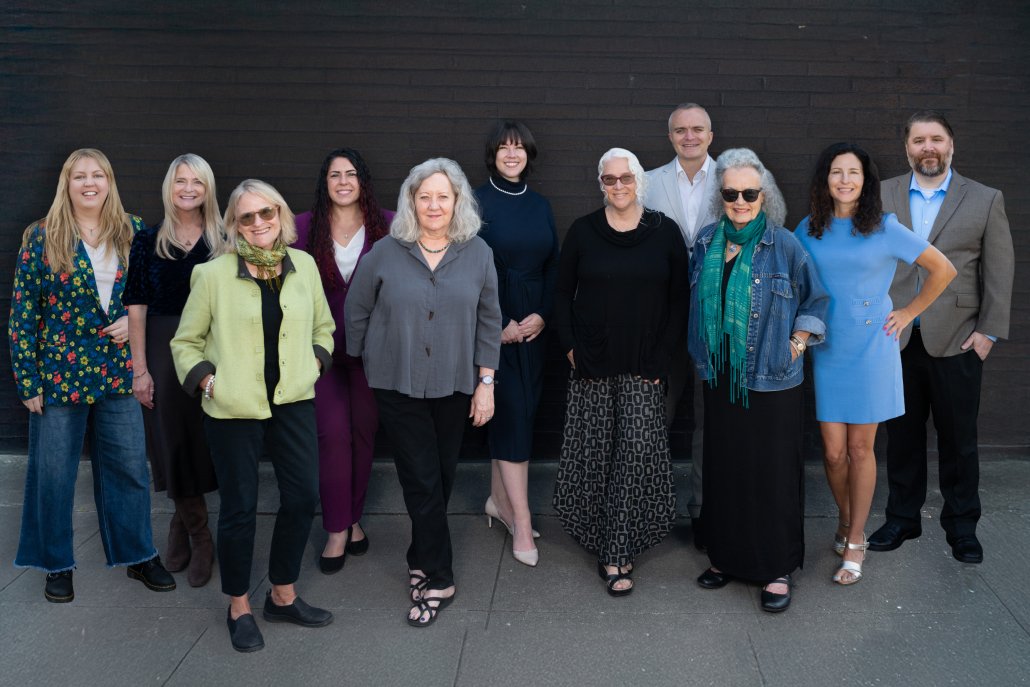
Bridgers have experience: The lawyers, mediators, family transition specialists, divorce coaches, child specialists, and financial neutrals (CDFAs) work together, when needed, to help couples end their marriage peacefully. We work full-time with families in transition to find out-of-court solutions. We encourage problem solving, communication and healthy co-parenting. We empower couples to create a lasting resolution that fulfills their needs.